
Akron’s Blue-Collar Choice for Industrial Ice Blasting
At CT Service Systems, we tackle the tough work that keeps Akron’s industrial backbone running strong. Since 1996, we’ve provided high-performance industrial cleaning, professional painting, and precision surface-prep services for facilities across Akron and the surrounding Northeast Ohio region, including Barberton, Cuyahoga Falls, Tallmadge, and the broader Summit County industrial corridor.
Akron’s industrial backbone runs through old rubber plants, heavy manufacturing shops, polymer facilities, distribution hubs, and tough commercial buildings. Our crew knows what these places demand because we work in them every day. We show up with hard gear, skilled hands, and the grit needed to tackle the dirtiest and most hard-to-reach high-wear areas across Greater Akron.
Factories near Firestone Park, warehouses in North Hill, and large properties along the Akron-Canton corridor all rely on us to clean and restore critical surfaces, including ceilings, walls, machinery, floors, steel, metalwork, production lines, and exteriors. We start with a straight talk on-site to size up the buildup and choose the right cleaning or prep method. Then, we get to work safely and efficiently while respecting your uptime.

Putting Muscle to Work Throughout Northeast & Central Ohio
How Our Crew Delivers High-Grit Commercial Painting Results
Reach out to CT Service Systems, and get a crew that knows Akron, Ohio, worksites inside and out. A team member who understands the demands of a manufacturing facility or industrial facility talks through your needs, walks through your space, and lays out a cleaning process built around your schedule and constraints. Straight talk, years of experience, and real peace of mind come standard.
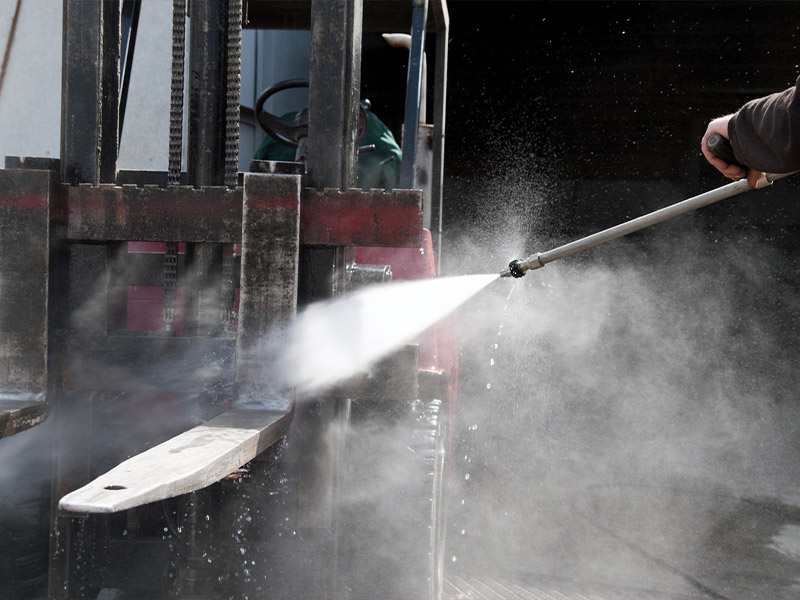
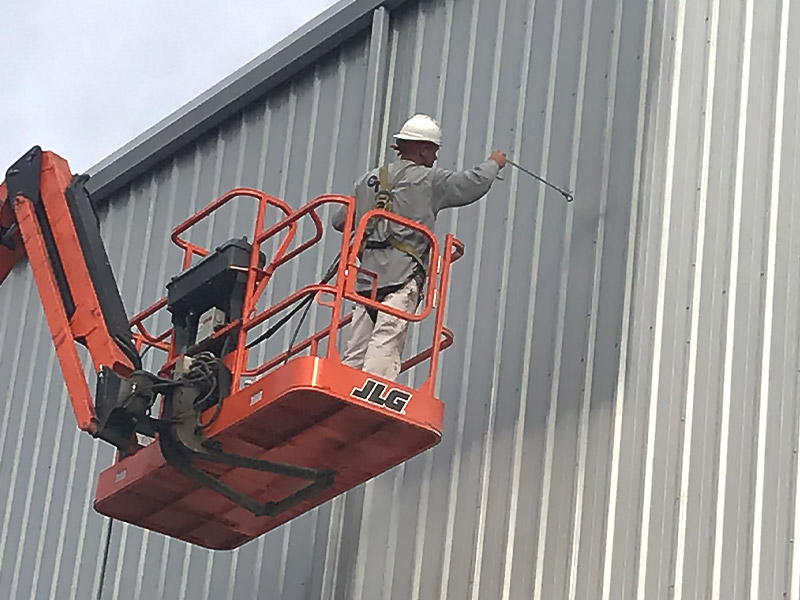
It doesn’t matter if it’s ceilings, walls, floors, machinery, brick, or stone restoration, as every clean surface in your operation gets the right treatment. Highly trained technicians use strong cleaning agents, eco-friendly cleaning products, hot water systems, pressure wash equipment, and advanced cleaning methods, such as dry ice blasting. Confined space entry work, containment setups, and tight, high-wear zones get handled with the same attention to detail as the open areas.
Akron’s industrial buildings can be rough, but challenging environments are nothing new to us. The result is a cleaner, safer, high-quality workspace backed by a commercial cleaning company committed to excellence and the drive to deliver.
Jobs We Take On Every Day
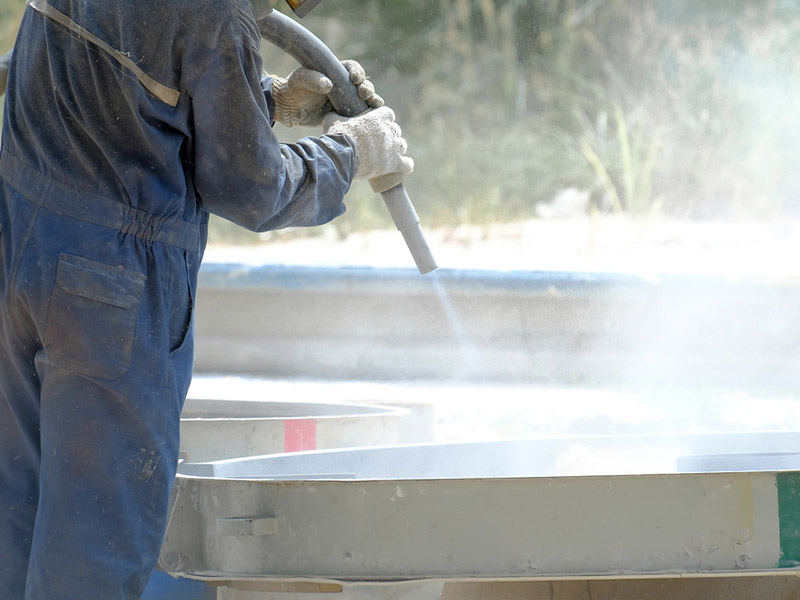
Take a look at the industrial and commercial work our crew is built for, all geared toward heavy cleaning, tough painting jobs, and hard-use surface restoration across Akron and the region.
Ask Our Professional Cleaning & Painting Contractors
Industrial dry ice blasting is a cleaning method that uses solid CO₂ pellets shot at high speed to remove buildup, coatings, grease, and contaminants without grinding down the underlying surface. The pellets hit, freeze the grime, then vaporize on impact, leaving no secondary waste behind. This makes it ideal for machinery, production lines, electrical components, and areas where traditional blasting would be too harsh or messy. The process keeps surfaces intact while delivering a deep, efficient clean.
This method is often chosen for industrial facility maintenance because it reduces downtime, cuts cleanup costs, and avoids harsh abrasives. Equipment cleaning, manufacturing cleaning, and fire damage restoration all benefit from its precision. Crews can work in tight or sensitive areas without shutting down entire operations. The result is a fast, clean surface that’s ready for inspection, repair, or repainting.
Industrial ice blasting supports a wide range of operations that need a clean surface without water, grit, or abrasive impact. The method is especially effective in environments where sensitive equipment, continuous production, or strict cleanliness standards are part of daily work. Below are the industries that gain the most from using this cleaning approach:
- Manufacturing Facilities: Production lines, molds, press machines, and high-use equipment stay cleaner with less downtime.
- Food & Beverage Processing: Equipment and surfaces require a dry, residue-free cleaning method that avoids moisture and chemical runoff.
- Automotive & Rubber Production: Dry ice removes oils, adhesives, coatings, and buildup without damaging tooling or molds.
- Chemical & Polymer Operations: Sensitive systems benefit from a non-abrasive solution that avoids water and secondary waste.
- Packaging & Printing Plants: Clean rollers, gluing stations, electronics, and conveyors without shutting down entire systems.
- Aerospace & Precision Manufacturing: Delicate components and fine-tolerance machinery need a safe cleaning method with no abrasive impact.
- Electrical & Utility Operations: Panels, switches, and equipment require moisture-free cleaning for safety and reliability.
- Fire & Restoration Services: Soot and smoke residue can be removed quickly without damaging structural surfaces.
Why this matters: Knowing which industries benefit most helps facilities choose a cleaning method that reduces downtime, protects sensitive equipment, and keeps operations running safely and efficiently.
Dry ice blasting cleans without water, grit, or harsh materials, which eliminates the mess and secondary waste created by pressure washing or abrasive blasting. The CO₂ pellets hit the surface, freeze the buildup, and instantly vaporize, leaving only the removed debris to clean up. This makes the process faster, cleaner, and far easier to contain inside an industrial facility. Sensitive equipment, electrical components, and painted surfaces benefit from the gentler impact.
Traditional pressure washing relies on high-pressure water, which can create runoff, moisture issues, and longer drying times. Abrasive blasting removes material aggressively and can damage steel, coatings, or machinery if not controlled.
Dry ice blasting avoids those risks and allows crews to clean in active production spaces with minimal disruption. The method delivers a strong, clean surface while keeping downtime and cleanup to a minimum.
The right cleaning approach depends on the type of buildup, the condition of the surface, and the limits of the facility. Below are the key factors considered before choosing dry ice blasting or another cleaning method:
- Type of Contamination: Dry ice blasting performs well on grease, oils, soot, adhesives, and stubborn buildup that needs a non-abrasive approach.
- Surface Sensitivity: Equipment, wiring, painted components, and delicate materials often require a method that avoids water, grit, or direct impact.
- Moisture Restrictions: Areas where water is not allowed, including electrical systems or food production lines, usually call for dry ice blasting.
- Required Downtime: Dry ice blasting works quickly and limits shutdown time, while other methods may require longer drying or containment periods.
- Environmental or Waste Limits: When a facility needs to avoid runoff, debris, or secondary waste, dry ice provides a cleaner solution.
- Facility Accessibility: Tight spaces, overhead areas, and confined spaces often benefit from the mobility and low mess of dry ice blasting.
- Buildup Severity: Heavy corrosion or thick scale may require pressure washing or abrasive blasting, while general industrial grime responds well to dry ice.
- Temperature or Heat Limits: Equipment that runs hot or materials sensitive to heat can influence which cleaning method is safest and most effective.
Why this matters: Selecting the right cleaning method keeps downtime low, protects sensitive equipment, and delivers a cleaner surface that supports safer, more reliable industrial operations.
The timing depends on the type of machinery, the materials being processed, and the level of buildup a facility encounters day to day. Most manufacturing equipment benefits from scheduled cleaning cycles every quarter, though high-heat, high-dust, or heavy-use systems often need monthly attention. Consistent cleaning keeps moving parts operating smoothly, reduces unplanned downtime, and helps prevent premature wear and tear. A routine plan also makes each cleaning faster and more effective over time.
Regulated industries, such as food processing, chemical handling, packaging, and polymer production, typically require more frequent cleanings to maintain compliance with industry standards and safety guidelines. Routine inspections help determine when cleaning phases should be adjusted based on contamination levels or production changes.
Staying ahead of the buildup maintains efficiency and avoids costly shutdowns during audits. Regular care keeps equipment reliable, safe, and ready for continuous operation.